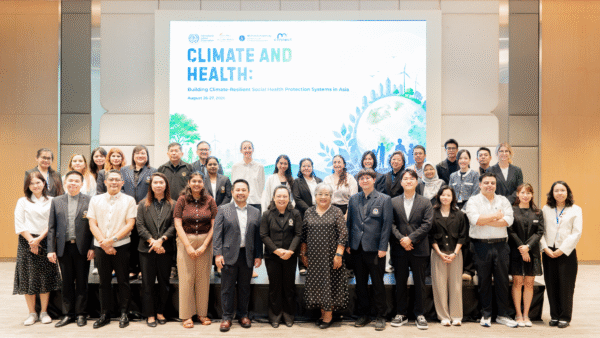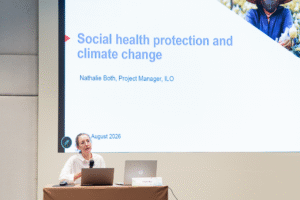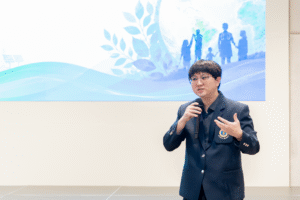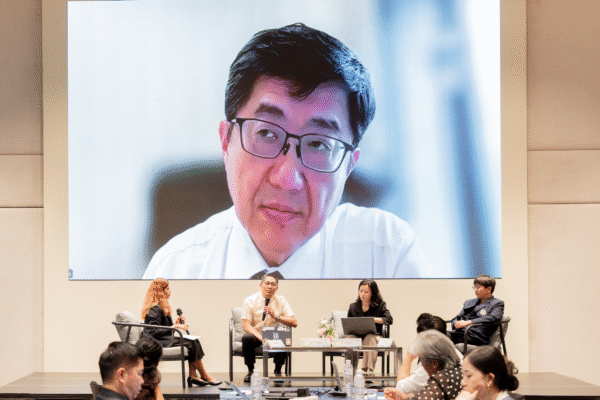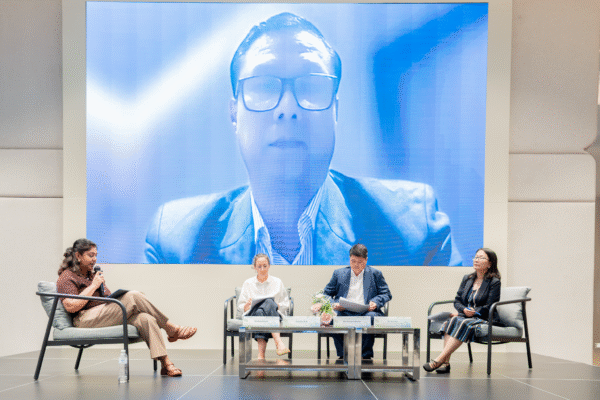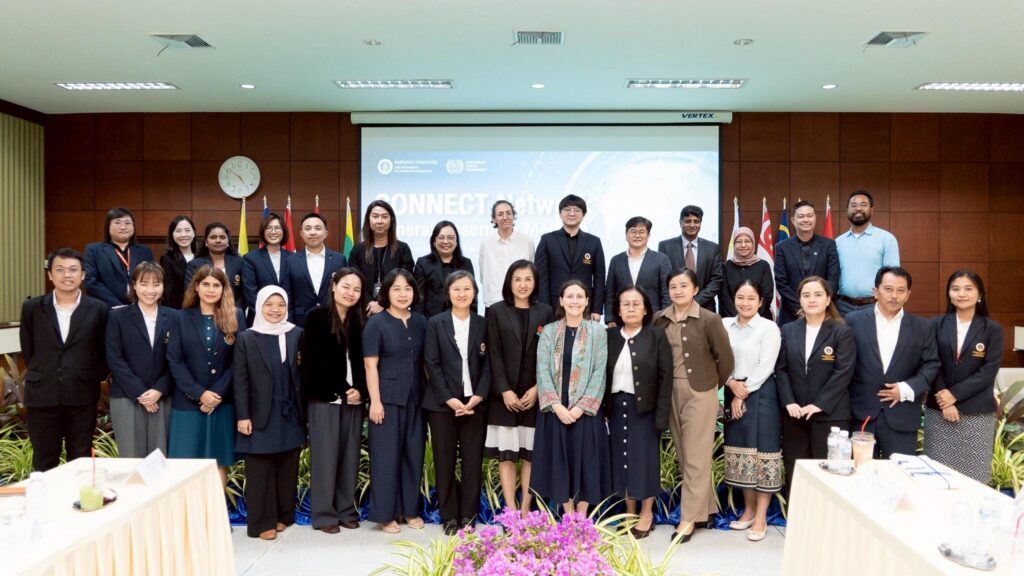
Regional workshop in Thailand brings together health, social protection, labour, migration, development and academic partners to explore how social health protection can better protect people from the growing impacts of climate change.
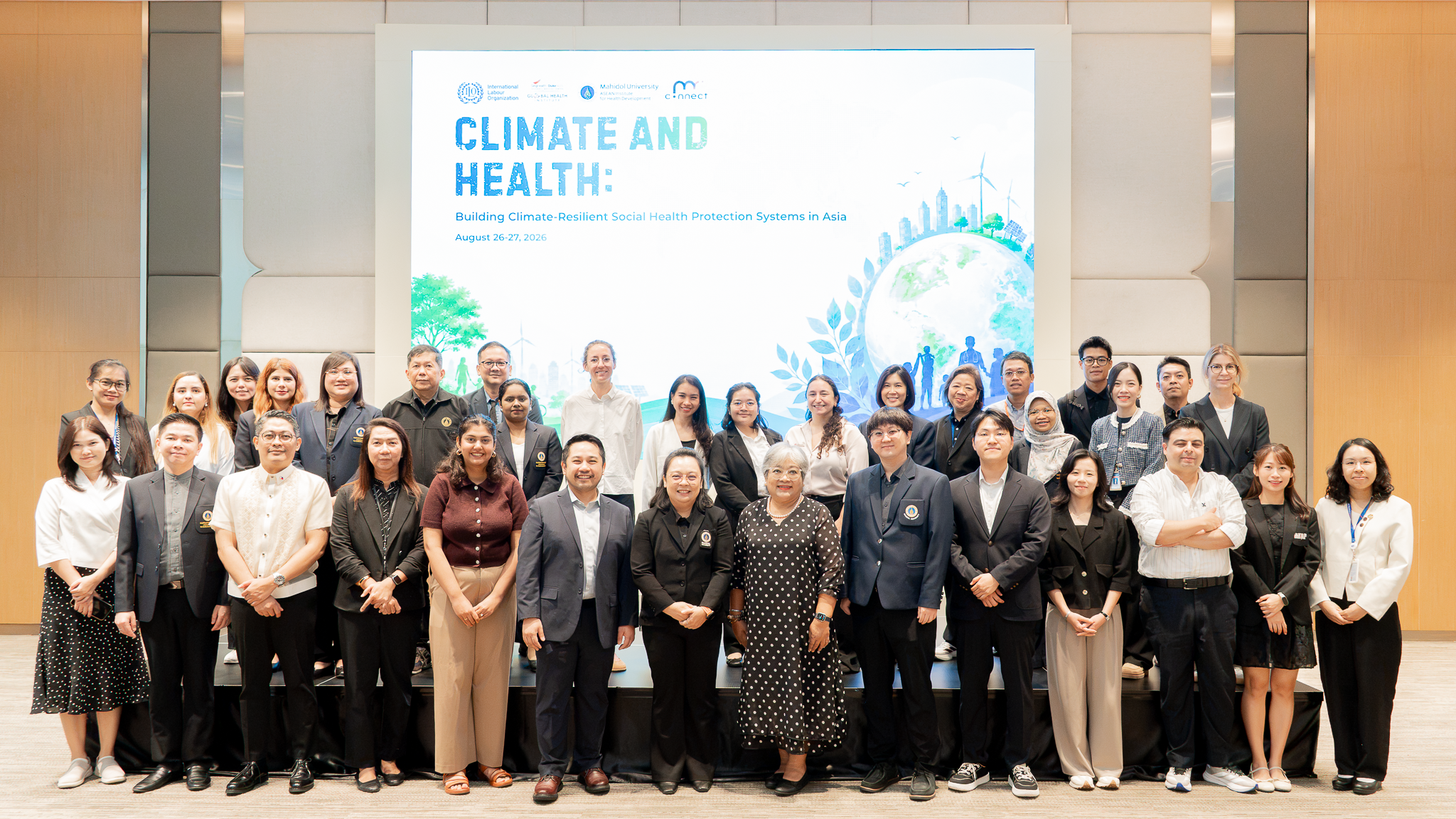
The CONNECT Network, together with partners from across Asia and beyond, convened the regional workshop “Climate and Health: Building Climate-Resilient Social Health Protection Systems in Asia” on 26-27 August 2026 at Prince Mahidol Hall, Mahidol University, Thailand.
Co-convened by the the International Labour Organization (ILO); ASEAN Institute for Health Development, Mahidol University; and the SingHealth Duke-NUS Global Health Institute (SDGHI), the workshop brought together experts from international organizations, governments, research institutions, health and social health protection agencies, and development partners.
The discussions focused on a critical question: How can social health protection systems be strengthened to protect people from the growing health and socioeconomic impacts of climate change?
Across Asia, climate-related hazards- including heatwaves, floods, storms, droughts, infectious disease risks and displacement are increasingly affecting health, livelihoods and household finances. Their consequences are not evenly distributed. People already facing social and economic disadvantage, including informal workers, women and marginalized communities, often have fewer resources to absorb and recover from climate-related shocks.
Participants emphasized that social health protection must therefore move beyond responding to crises after they occur. Preparedness and prevention need to be built into social health protection systems from the outset, alongside wider efforts to strengthen health-system resilience. Discussions explored practical approaches, including stronger financing and risk pooling, adaptive social protection, climate-informed health services, protection of health workers, early warning and preparedness mechanisms, and better coordination between health, social protection, labour, migration and disaster management systems. A key message was that prevention and preparedness are investments, not costs. Strengthening systems before a crisis can help reduce avoidable health and financial hardship while protecting access to essential services when climate-related shocks occur.
The workshop also created space for sectors that do not always come together to develop a shared understanding of these challenges. Representatives and experts from the ILO, World Health Organization (WHO), UN Economic and Social Commission for Asia and the Pacific (UN ESCAP), International Organization for Migration (IOM), Health Intervention and Technology Assessment Program Foundation (HITAP), National Health Security Office of Thailand (NHSO), Korea Institute for Health and Social Affairs (KIHASA), Philippine Health Insurance Corporation (PhilHealth), Ministry of Health and Welfare of Taiwan, World Bank Group, Asian Development Bank (ADB), Community Partners International, University of Phayao, Chulalongkorn University, and SingHealth Duke-NUS Global Health Institute, among others, contributed to the discussions.
The CONNECT Network and its partners remain committed to advancing knowledge and collective action to strengthen social health protection systems that are prepared not only to respond to tomorrow’s crises, but to prevent climate vulnerability from becoming tomorrow’s catastrophe.